The Big Bang
Vichada river
.jpg)
- Filter
- Hf 300
- Lighting
- Bulb led
- Substrate
- Sand River
- Hardscape Materials
- River Stone colect
Species
Microgeophagus ramirezi
Plant species
Salvinia
Biotope Information
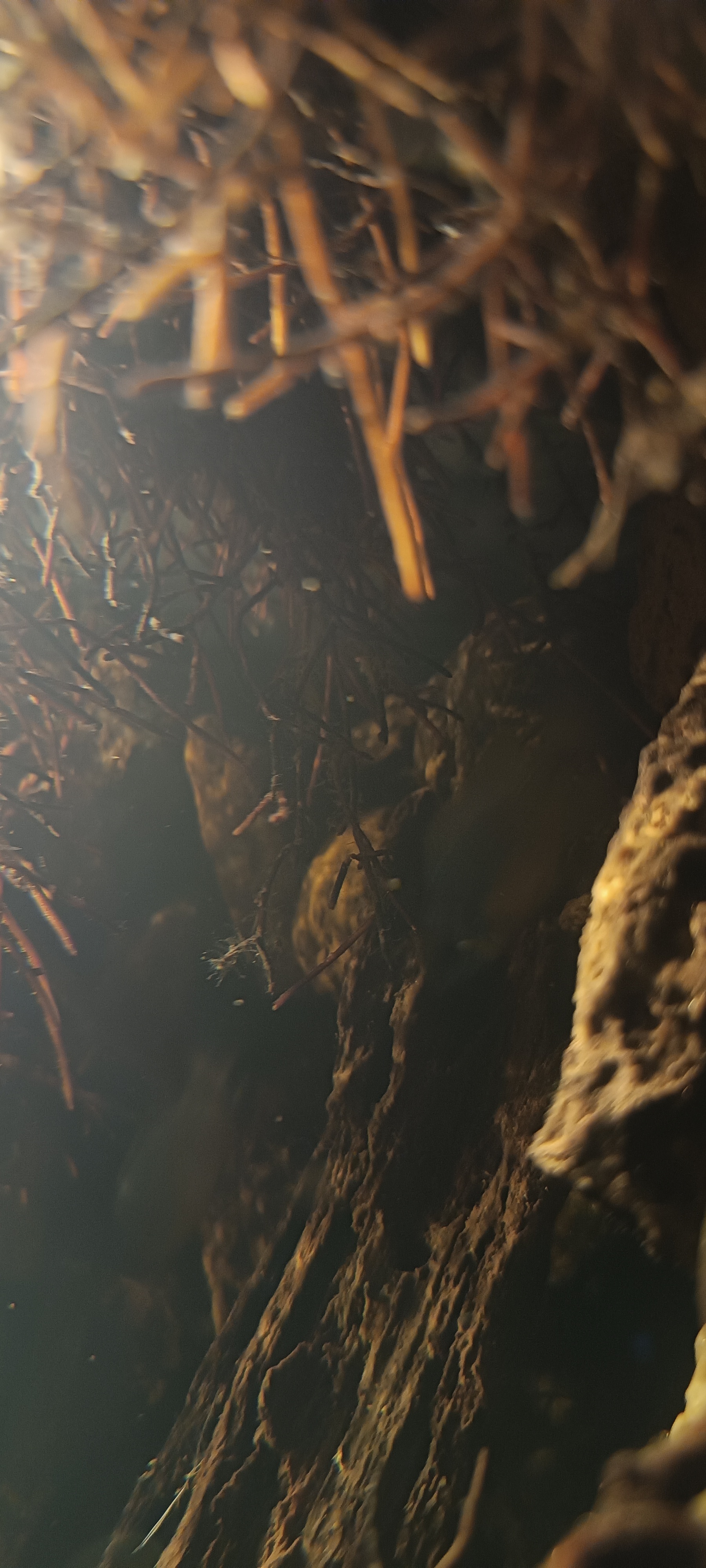
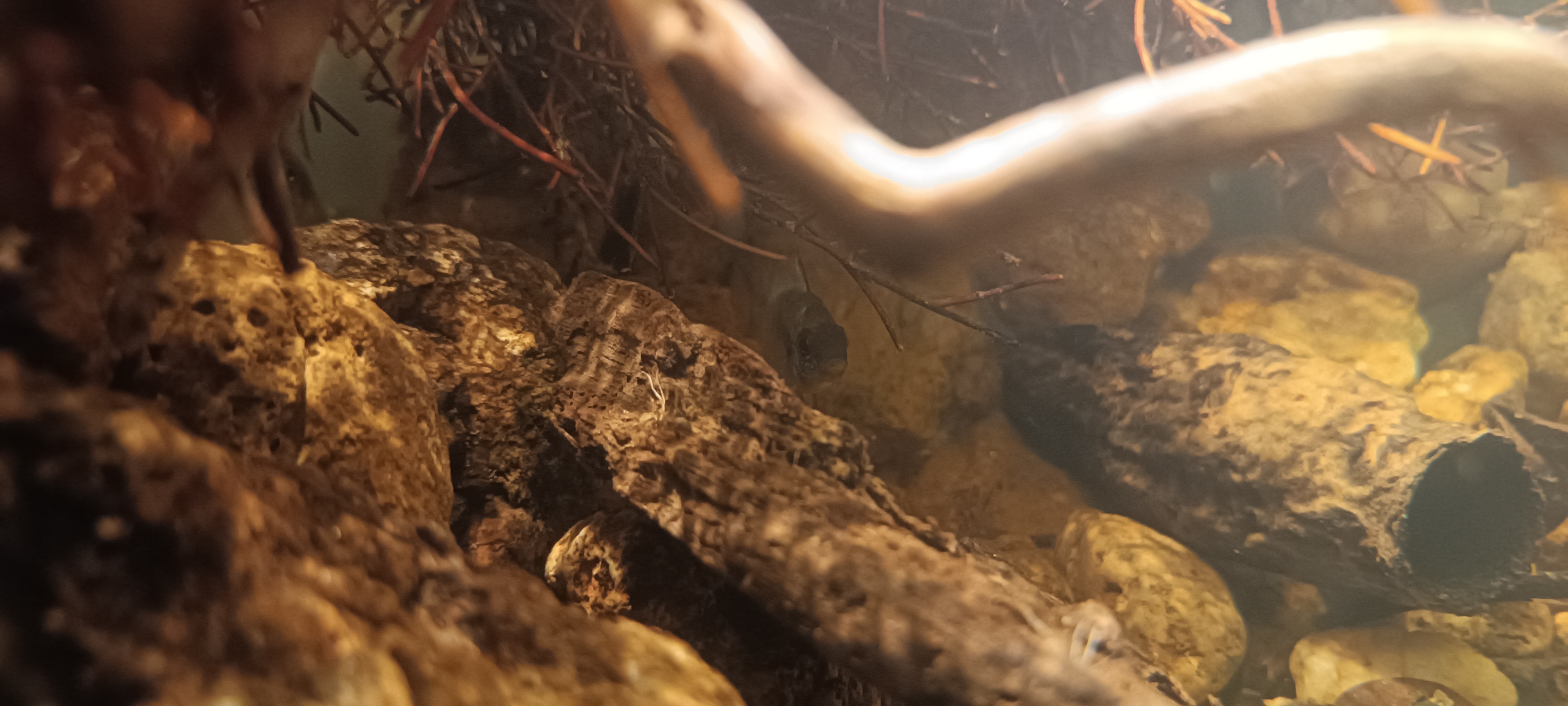
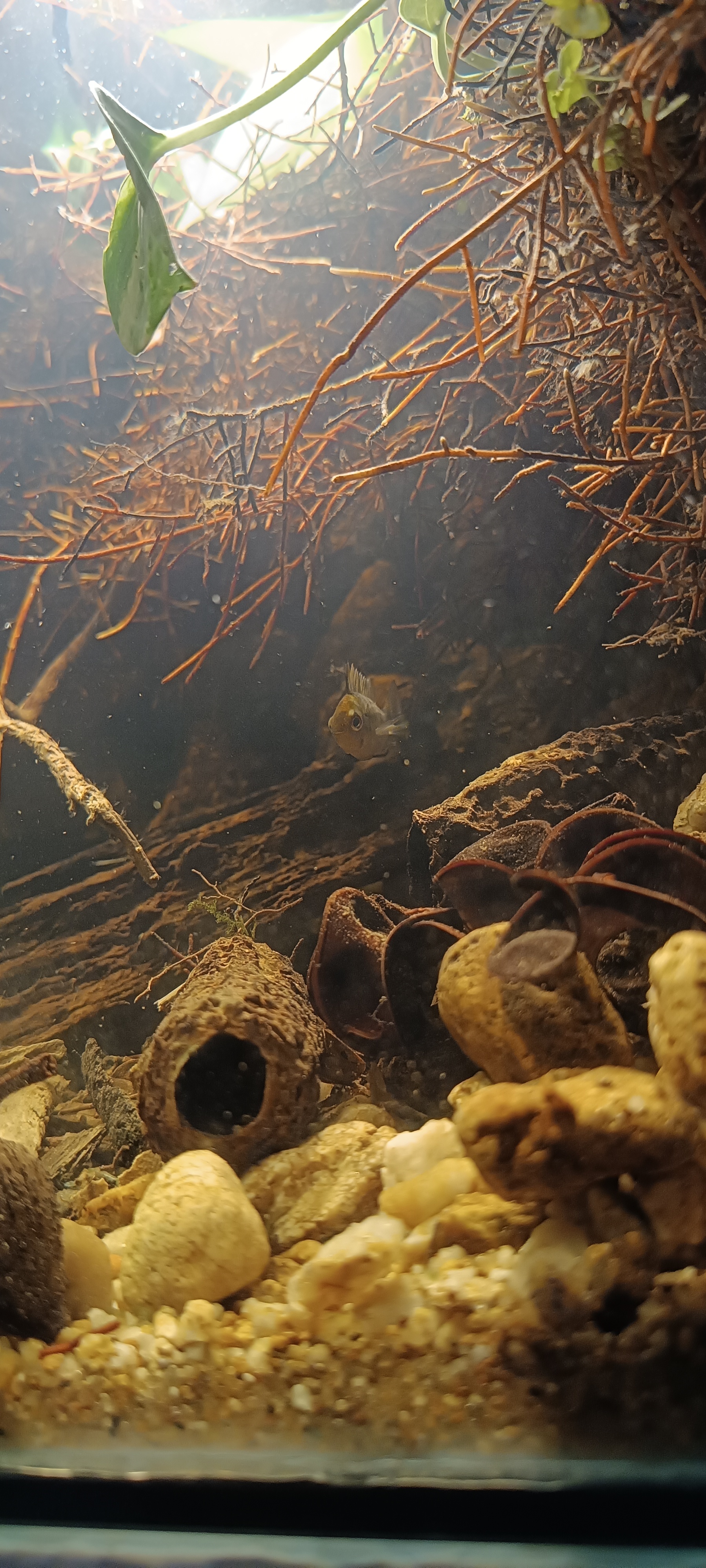
BIOTOPE DESCRIPTION: ORINOCO RIVER BASIN Specific Location or Region Location: Vichada River (tributary of the Orinoco River). Region: Llanos (Tropical Grasslands and Savannas) of Eastern Colombia. Habitat Type The aquarium replicates a shallow caño (small stream) or a calm, slow-flowing marsh area in the Vichada drainage, characteristic of the Llanos during the low to medium water season. This micro-habitat is shaded, with high deposition of organic matter. Water Characteristics: Clear to Blackwater conditions (tannin-stained). The water is very soft (low mineral content), warm, and acidic (low pH). Substrate: Fine, light-colored sand or very fine gravel. Sand is preferred for the sifting and foraging behavior of M. ramirezi. Decoration: The tank features an abundance of driftwood, submerged branches, and fine roots, which create structure, visual barriers, and hiding spots. The bottom is covered with leaf litter (simulating decaying leaves and seed pods) to replicate the natural environment and release tannins. Vegetation: Primary coverage comes from floating plants and overhanging riparian roots at the surface, which diffuse light. Submerged aquatic plants are typically sparse. Featured Species: Mikrogeophagus ramirezi (Ram Cichlid or Butterfly Cichlid). Water Parameters (Vichada Natural Range): Temperature: 27°C – 30°C (81°F – 86°F) pH: 4.5 – 7.0 (Ideally 5.0 – 6.5) Hardness (GH): Very Soft Sources and References Used for Accuracy Geographic Distribution Studies: Research confirming the presence and habitat of Mikrogeophagus ramirezi within the Río Vichada basin and the Colombian Llanos tributaries. Field Documentation: Underwater videos and photographs (e.g., naturalist expeditions) detailing the physical structure, substrate, and leaf litter composition of the caños in the Vichada drainage. Ichthyological Data and References: Scientific profiles listing the typical physicochemical parameters (temperature, pH, and softness) of the M. ramirezi's natural environment in the Orinoco system.
Quick Stats
- Style
- Biotope
- Size
- 30x30x30 cm
- Volume
- 27 L (7.1 gal.)
- Plant Species
- 1
- Fish Species
- 1
Biotope Location
Judges' Comments
I am all in favor of farm bred fishes, they take a lot of pressure from the already declining fish populations caught in the wild but... in biotope contests, if you plan on showcasing a non wild strain of fish, I would recommend you specify it or why, on the biotope details. Also, Ram Cichlids are found over thin sand, not rocky areas.
— Ivan Mikolji
This is a display where the author has clearly done their research and worked to put together a realistic and authentic layout. Unfortunately, it loses points due to the use of an ornamental for of M. ramirezi, which does not occur in the wild and because the tank feels somewhat too small, even for just two individuals. This species can grow to become a sturdy fish and long-term, would require more room than they are provided with here. However, I do want to highlight the use of the fine roots as particularly effective.
— Tai Strietman
Come Grow with The Aquatic Gardeners Association.
Since 1985 the Aquatic Gardeners Association has been the standalone organization focused on promoting aquatic plants, education, aquascaping, and fostering the community of planted aquarium enthusiasts.
The Aquatic Gardener Magazine
Membership has its privileges—such as a subscription to the award-winning quarterly journal The Aquatic Gardener, available in both print and digital formats, access to the digital archive of all published issues as well as video from our convention speakers dating back 25 years. With more exciting projects on the horizon you’ll be part of a unique community of aquatic plant and aquascaping fans eager to expand our side of the aquarium hobby.