Bank of an Upper Tributary of the Youluo Stream
Upper tributary of Youluo Stream, a mountain stream in Jianshi Township, Hsinchu County, Taiwan

About This Aquascape
https://hanksbiotopeaquarium.blogspot.com This blog presents my field investigation and the documentation of the design and development process of this biotope aquarium.
- Filter
- Shiruba XB-312 External Canister Filter, ISTA Smart Pre-Filter Canister
- CO2 System
- No CO₂ system
- Lighting
- Johnlen II Dimmable LED Light – Natural Mixed Spectrum (33W / 60 cm)
- Substrate
- Silica sand
- Hardscape Materials
- Rocks from the native habitat, Some twigs and fallen leaves collected from the native habitat
- Background
- frosted window film
Species
Acrossocheilus paradoxus, Caridina formosae
Plant species
Certain terrestrial ferns and bryophytes collected from the native habitat
Fertilization
No fertilizer
Biotope Information
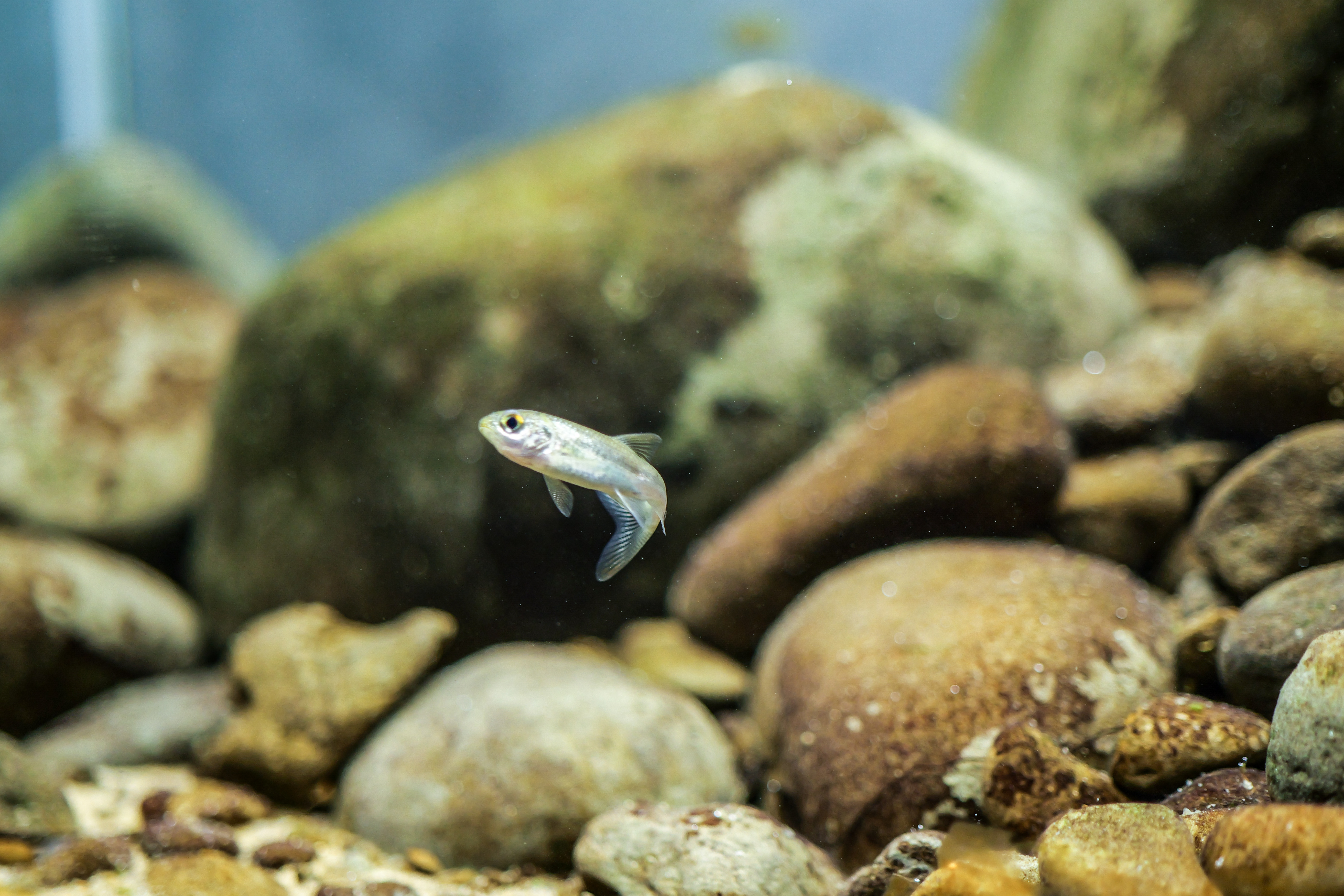
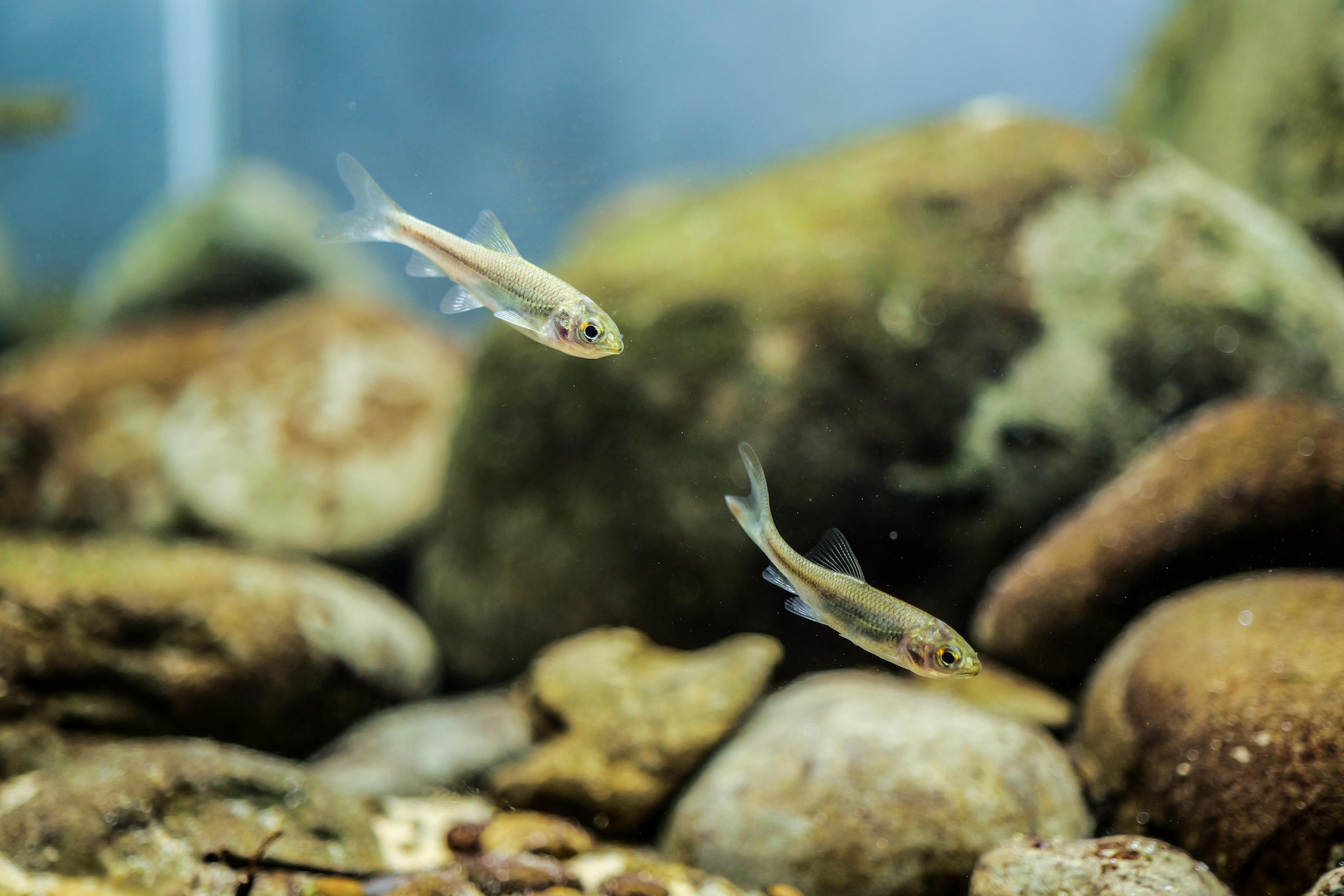
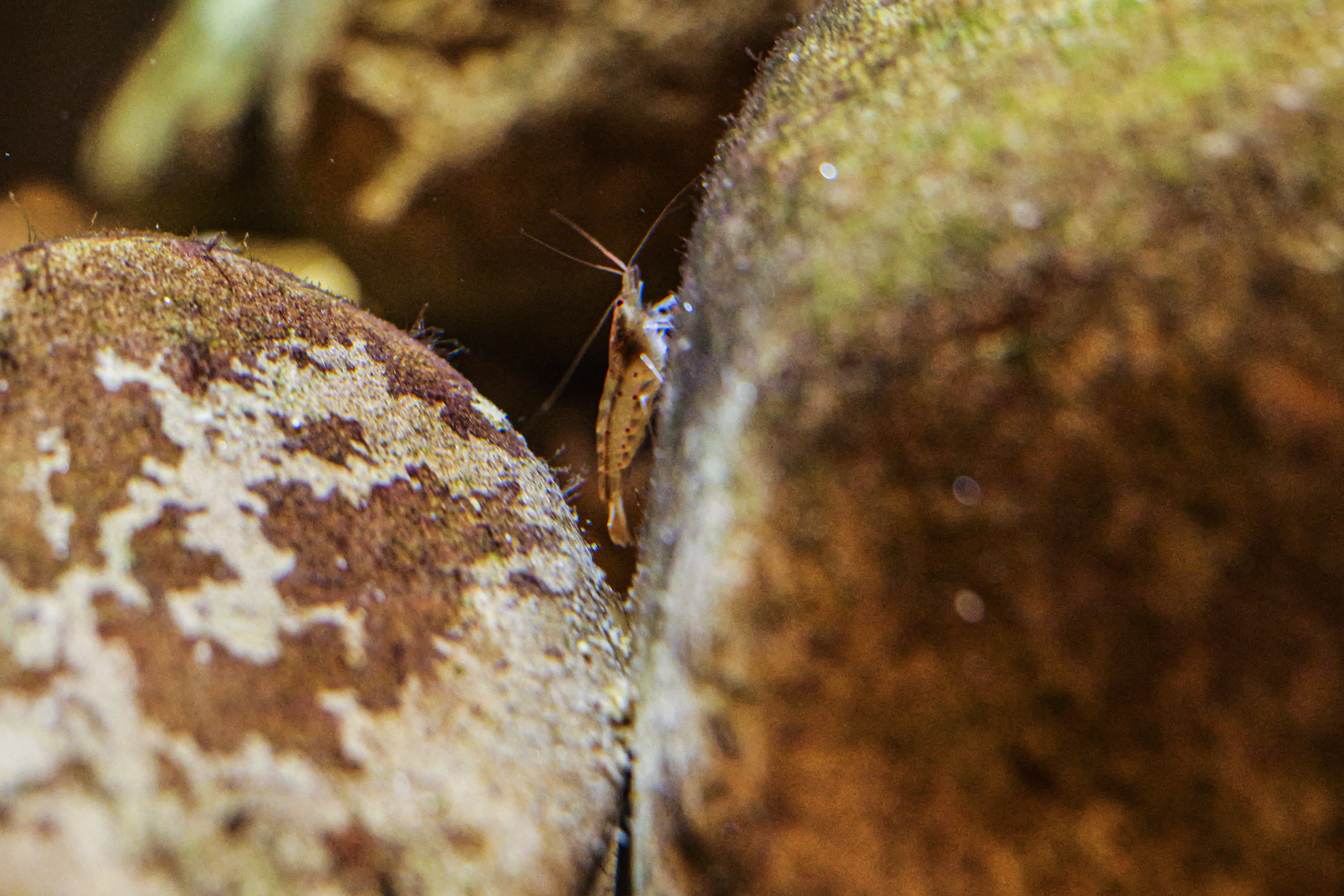
This biotope aquarium recreates a section of a mountain stream in the upper tributaries of the Youluo River in Taiwan. The water originates from rainfall and mountain springs, remaining clear and low in mineral content, with a TDS of around 25 ppm. The streambed consists mainly of sand, gravel, and large rocks, forming a diverse aquatic structure that includes shallow slow-flowing areas, deeper channels, and pools formed beneath small waterfalls. During spring and summer, frequent rainfall keeps the water flow stable, while in winter, the flow decreases and may even cease entirely. This aquascape represents the habitat during the spring–summer high-water season. The stones in the stream are smooth and often covered with algae. Mosses and ferns grow abundantly along the stream banks and on the rocks, where the environment is humid and dappled sunlight filters through the forest canopy. Native species commonly found in this habitat include Onychostoma barbatulum (Taiwan shoveljaw carp), Caridina formosae (Taiwan rice shrimp), and Bufo bankorensis (Pangu toad) along with its tadpoles. The plants and animals here are adapted to low-nutrient, soft freshwater with moderate current velocity. To recreate the natural habitat as faithfully as possible, I made several field trips to the mountains to record habitat features and water quality data. The aquarium uses stones collected from the original site, preserving the algae naturally attached to them, and a chiller keeps the water temperature stable at 20 °C. The GH (about 3 dGH) and KH (about 2 dKH) levels were measured and adjusted to closely match the native conditions. My biotope aquarium is designed to represent the gradual transition from shallow to deep water along a stream’s edge, featuring mosses and ferns collected from the original habitat, recreating the authentic atmosphere of a mountain stream ecosystem. The Taiwan shoveljaw Carp (Onychostoma barbatulum) in this biotope aquarium is a native stream fish species of Taiwan. It mainly feeds on diatoms attached to rocks and insects that fall onto the water surface. When grazing on the algae-covered stones, the fish often tilts its body sideways, reflecting shimmering flashes of light in the water — a behavior that has earned it the nickname “firefly of the stream.” Adult fish spawn in the upper reaches of tributaries, where the current is gentle and the riverbed consists mostly of gravel and sand. They lay their eggs among the gravel to prevent them from being washed away. This biotope aquarium faithfully recreates such a natural habitat, and within this environment, the fish display the same grazing behavior and glimmering reflections as they would in the wild. Regarding animal welfare, the Taiwan shoveljaw Carp (Onychostoma barbatulum) in this biotope aquarium are currently at the juvenile stage, measuring about 4–5 cm in length. The design of this aquarium aims to recreate the natural environment suitable for juvenile fish, rather than to serve as a long-term habitat for adults. In the wild, as these fish grow, they gradually move to deeper pools or river sections. I plan to either release them back into their native stream or transfer them to a larger aquarium once they reach a length of around 10 cm, which is expected to take about one year. In addition, the water temperature, chemistry, and flow rate in the tank have been carefully adjusted based on field measurements to provide optimal living conditions for the juvenile stage, ensuring both ecological authenticity and animal welfare. To strictly maintain the extremely low hardness of the native environment and prevent the accumulation of pollutants in the water, I implement weekly water changes of approximately one-quarter of the total volume, using RO (Reverse Osmosis) water. The data presented above are based on my personal field investigations and water quality measurements, supplemented by official references from the Fisheries Research Institute, Taiwan (https://www.tfrin.gov.tw). All the materials collected from the natural environment comply with national regulations.
Po-Han Yang
Zhubei City, Hsinchu County, Taiwan
Quick Stats
- Style
- Biotope
- Size
- 60x45x20 cm
- Volume
- 54 L (14.3 gal.)
- Plant Species
- 1
- Fish Species
- 2
Judges' Comments
Congratulations! The design is very well done! A great deal of research and documentation went into it, which is much appreciated. The composition is good, and the transition from the emerged to the submerged area is well executed, although it could be complemented with a bit more marsh vegetation. Overall, it's a good aquarium. Just one recommendation: when considering the capture and subsequent release of organisms, a methodology should be followed that eliminates the risk of introducing pathogens foreign to their natural habitat or causing the fish to become completely dependent on human care.
— Víctor Ortiz
I think this is a very authentic-looking display where the author has clearly invested time and effort not just in building it, but in researching the environment and inhabitants and understanding their dynamics. The author has address the issue of using fishes which will outgrow their tank and has explained that they intend to move them on as they mature. I do feel however that the water volume available for the fish does seem quite small, even given the efforts to maintain water quality. However, this is balanced against the author's clear knowledge and measurements of the habitat itself, so perhaps my criticism is based more upon how the display LOOKS in terms of animal welfare than how it actually IS. This is an issue as many people viewing this display might be critical of the water volume available to the fishes, even if the author knows it closely resembles their natural environment. Perhaps in future it might be worth using a larger shallow display tank? Finally, the background, while quite effective does still show the display is contained within a tank, which impacts our ability to suspend disbelief and image we are looking 'into' the habitat. Even so, This is a well-researched, well-put together and effective biotope display and I commend the author.
— Tai Strietman
Come Grow with The Aquatic Gardeners Association.
Since 1985 the Aquatic Gardeners Association has been the standalone organization focused on promoting aquatic plants, education, aquascaping, and fostering the community of planted aquarium enthusiasts.
The Aquatic Gardener Magazine
Membership has its privileges—such as a subscription to the award-winning quarterly journal The Aquatic Gardener, available in both print and digital formats, access to the digital archive of all published issues as well as video from our convention speakers dating back 25 years. With more exciting projects on the horizon you’ll be part of a unique community of aquatic plant and aquascaping fans eager to expand our side of the aquarium hobby.